
Premium Bonds vs ISA: Are They Worth It? (2026)


Index
For anyone trying to save or invest money in the UK, one decision seems to hang over everything: should you go for premium bonds or an ISA?
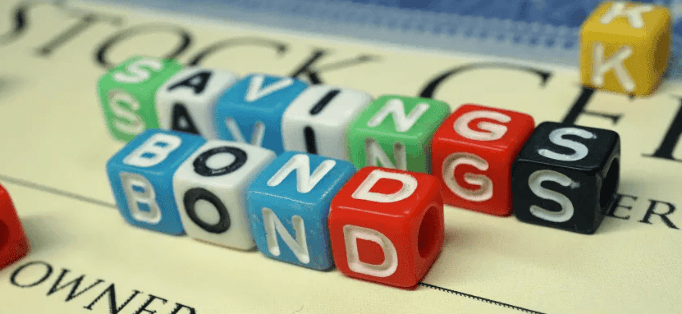
It sounds simple at first: two well-known, tax-free options backed by the government in some way.
But scratch the surface, and it gets tricky. On one side, you've got the thrill of a possible £1 million prize. On the other, the long-term potential to grow your money well beyond inflation.
This isn't just about comparing products, it's about protecting your future without feeling like you're gambling it away.
So, what is the difference between a bond and an ISA? What's actually going to work for you?
What are Premium Bonds?
Each £1 you put in is a bond, and each bond gets entered into a monthly prize draw. The top prize is £1 million and the smallest is £25.
Premium Bonds are a UK favourite, and it's not hard to see why. Your money stays safe and you don't pay tax on any winnings. Every month, there's a chance to win a life-changing jackpot. For many, it feels like the best of both worlds: security and excitement.
You don't earn interest, so if you don't win, your money just sits there, untouched by growth.
That's why some savers have begun to question whether this is actually helping their money go anywhere. In the short term, it might feel good, but in the long term, premium bonds start to feel a bit static — particularly after NS&I cut the prize fund rate three times between September 2023 and April 2026.
And it's in that stillness that many turn their eyes to ISAs.
What is an ISA?
ISAs, short for Individual Savings Accounts, offer something Premium Bonds don't: the chance to grow your money in a way that's sustainable and all without paying tax on what you earn.
There are a few types of ISAs:
- Cash ISAs: Great for savers who want zero risk and tax-free interest. Note that from April 2027, under-65s will only be able to put up to £12,000 per year into a Cash ISA — making the choice between products more important than ever.
- Stocks and Shares ISAs: Designed for longer-term investment, these can help your money grow by putting it into funds, shares, and other assets.
- Lifetime ISAs: For those under 40 saving for their first home or retirement.
- Innovative Finance ISAs: For peer-to-peer lending, with much higher risk.
The one most often compared to Premium Bonds is the Stocks and Shares ISA.
When weighing up Premium Bonds vs Stocks and Shares ISA, the core difference is about time and trust. With Premium Bonds, your money is safe but flat. With the best Stocks and Shares ISA, your money is working behind the scenes, rising and falling with the markets, but often trending upward over the long haul.
What is the difference between a bond and an ISA?
At a glance, they might seem similar.
Both are offered by trusted institutions. Both are tax-free. Both sound like safe places to park your money. But that's where the similarities end.
A premium bond is a savings product from NS&I. You lend your money to the government and get entered into a monthly prize draw. Your capital is protected, but you don't earn interest, and unless you win prizes, your money doesn't grow.
An ISA, meanwhile, is a tax wrapper that can hold either cash or investments. You can choose how it works for you — slow and steady with a Cash ISA or growth-focused with a Stocks and Shares ISA. If you're weighing up the Stocks and Shares ISA vs Cash ISA decision, it really comes down to your risk tolerance and financial goals. The best part? Any returns made inside the ISA — whether from interest, dividends, or capital gains — are completely tax-free.
So, when it comes to bond vs ISA, the real difference is about the outcome. Premium Bonds offer excitement and safety; ISAs offer strategy and potential.
| Feature | Premium Bonds | Cash ISA | Stocks and Shares ISA | Lifetime ISA | Innovative Finance ISA |
|---|---|---|---|---|---|
| Risk to Capital | None – fully protected by NS&I (Treasury-backed) | Very low – FSCS protected up to £85,000 | Medium to high – depends on investment performance | Low to medium (Cash or investment based) | High – based on peer-to-peer lending |
| Returns | Prize draw only (prize rate 3.80% from July 2026) | Guaranteed interest, variable by provider | Based on market performance | Interest/investment growth + 25% gov. bonus (up to £1,000/year) | Higher potential returns, but no guarantees |
| Potential for Growth | Very low | Low | High over long term (5+ years) | Medium to high, depending on use (house deposit or retirement) | Medium to high (with higher risk) |
| Tax-Free | Yes | Yes | Yes | Yes | Yes |
| ISA Allowance Required? | No | Yes – part of £20,000 yearly limit (capped at £12,000 for under-65s from April 2027) | Yes – part of £20,000 yearly limit | Yes – max £4,000/year (counts toward ISA limit) | Yes – part of £20,000 yearly limit |
| Access to Funds | Withdraw anytime | Instant access or fixed-term (varies by provider) | Can sell investments, but may take a few days | Restricted – only for first home or after age 60 (or lose bonus) | Limited – depends on loan terms or platform |
| Best For… | Risk-averse savers who like prize-based saving | Short-term savers wanting tax-free interest | Long-term investors seeking real growth | First-time buyers or retirement savers under 40 | Experienced investors willing to take higher risks |
Premium bonds might suit you if:
- You're highly risk-averse.
- You like the idea of monthly prize draws.
- You've already maxed your ISA and want another tax-free savings option (you can hold up to £50,000 in Premium Bonds).
An ISA (especially a Stocks and Shares ISA) might be a better fit if:
- You're saving for the long term.
- You want your money to outpace inflation.
- You're comfortable with some market risk for potential reward.
For many people, the best answer is actually both. You might use Premium Bonds for your "safe stash" and put the rest into an ISA to grow. That way, you're covering your bases: peace of mind and purposeful investing.
Pros and Cons
Premium Bonds
| Pros of Premium Bonds | Cons of Premium Bonds |
|---|---|
| ✅ 100% capital protection – Your money is safe and backed by HM Treasury, with no upper limit (unlike the £85,000 FSCS limit for banks) | ❌ No guaranteed return – You might earn nothing at all in any given month |
| ✅ Tax-free prizes – Any winnings are completely free from UK Income Tax and Capital Gains Tax | ❌ Prize rate has been cut repeatedly – Rate fell from 4.65% (Aug 2023) to 3.30% by April 2026, though rising to 3.80% from July 2026 |
| ✅ Chance to win big – Monthly prize draws with prizes up to £1 million | ❌ Not ideal for long-term growth – Money not invested in prizes earns nothing; inflation erodes real value over time |
| ✅ Easy access – You can withdraw your money at any time | ❌ Cap of £50,000 – You cannot hold more than £50,000 in Premium Bonds |
| ✅ No risk of losing money – Even if you don't win, your initial deposit is intact |
ISA
| Pros of an ISA | Cons of an ISA |
|---|---|
| ✅ Tax-free growth – No tax on interest (Cash ISA) or gains/dividends (Stocks & Shares ISA); with CGT now at up to 24% and dividend tax up to 35.75%, the wrapper is increasingly valuable | ❌ Contribution limits – £20,000 per year in 2026/27, frozen at this level until at least 2030 |
| ✅ Higher potential returns – Especially with Stocks & Shares ISAs over time | ❌ Cash ISA limit tightening – From April 2027, under-65s can only put £12,000/year into a Cash ISA |
| ✅ Choice of risk level – Choose between Cash ISAs (low risk) or investment ISAs (higher risk, higher reward) | ❌ Not all are flexible – Some ISAs charge for withdrawals or transfers |
| ✅ Supports long-term goals – Great for retirement, saving for a house, or building long-term wealth | ❌ Stocks & Shares ISA carries investment risk – Your capital can fall in value |
| ✅ Multiple ISAs allowed – Since April 2024 you can hold multiple ISAs of the same type with different providers in the same tax year |
Do you get better returns with Premium Bonds or an ISA?
In most cases, ISAs tend to offer better long-term returns than Premium Bonds — but it depends on the type of ISA and your financial goals.
- Premium Bonds don't pay interest. Your returns come from a monthly prize draw. The prize fund rate has changed significantly in recent years: it peaked at 4.65% in August 2023, was cut to 3.30% in April 2026 (with odds lengthening to 23,000 to 1), and is rising again to 3.80% from July 2026 (with odds shortening back to 22,000 to 1). While your capital is 100% safe and tax-free, the returns are random — some holders win consistently, most win little or nothing.
- Cash ISAs offer guaranteed interest. With the Bank of England base rate at 3.75% in 2026, top easy-access Cash ISA rates are broadly in the 3.5%–4.5% range depending on provider, making them more predictable than Premium Bonds for savers who need a reliable return.
- Stocks & Shares ISAs have the potential for much higher returns over the long term (historically 6–8% per year on average), but they come with investment risk. Your capital is at risk, and values can fall as well as rise.
What do you get from Premium Bonds vs an ISA?
Both premium bonds and ISAs are tax-free, but not in the same way.
With premium bonds, any prize you win is yours, untaxed. But you're not guaranteed to win anything. In fact, most people earn below the equivalent interest rates you'd get elsewhere — particularly as the prize rate has been cut from its 2023 peak.
With an ISA, on the other hand, you get to keep all your earnings. Whether it's the interest from a Cash ISA or the investment growth inside a Stocks and Shares ISA, nothing is lost to tax as long as it stays within your annual ISA allowance (£20,000 for 2026/27, frozen until 2030).
So, while both options tick the "tax-free" box, only one actually puts consistent returns in your pocket.
So, should you choose premium bonds or an ISA in 2026?
Final thoughts
This is about your relationship with risk.
Some people simply can't stomach the idea of seeing their account balance drop, even temporarily. If that's you, Premium Bonds might provide the calm you need. You won't lose money, and there's always the chance of a prize.
However, others feel stuck when their savings just sit there — the idea that inflation is slowly eroding the value of their money. For example, tomorrow's £100 might only buy £90 worth of goods. And with the Premium Bonds prize rate now at 3.30% (rising to 3.80% from July 2026), there are guaranteed-rate savings accounts that can match or beat the expected return with certainty.
For many, the idea of watching your money grow, even with a few dips along the way, feels more empowering than passively hoping for a win.
When comparing ISA or bonds, it really boils down to this: do you want financial certainty today, or the chance to build something stronger for tomorrow?
Either way, understanding the difference between ISA and bond options gives you the upper hand in making smarter financial decisions in the long run.
FAQs
Can I have both a premium bond and an ISA at the same time?
Yes, you can. They're separate products, and holding both is very common. Premium Bonds sit outside the ISA system entirely, so they don't use any of your £20,000 annual ISA allowance. Just be mindful of your ISA allowance and your personal savings goals.
Are premium bonds a good emergency fund?
They're not ideal. While you can cash out anytime, it takes a few working days to receive the money. A high-interest instant-access savings account or Cash ISA is better for emergencies, as the return is guaranteed and access is immediate.
Do stocks and shares ISAs guarantee returns?
No. Your investments can go up or down in value. Over the long term (5+ years), they tend to outperform cash savings and premium bonds, but short-term losses are possible.
What happens to my premium bonds or ISA if I die?
Premium bonds become part of your estate and stop being eligible for prizes after death (NS&I will hold them in the draw for up to 12 months while the estate is settled). ISAs lose their tax-free status unless transferred to a spouse or civil partner as an Additional Permitted Subscription (APS).
Can I switch from premium bonds to an ISA?
Yes. Withdraw your money from Premium Bonds (allowing a few working days for the funds to arrive) and deposit it into an ISA, provided you're within your annual ISA limit of £20,000 for 2026/27.
What is the current Premium Bonds prize rate?
The prize fund rate is 3.30% for draws up to and including June 2026, rising to 3.80% from the July 2026 draw. The odds of each £1 bond winning shorten from 23,000 to 1 back to 22,000 to 1 from July. These rates are set by NS&I and can change at any time in response to market conditions. The rate peaked at 4.65% in August 2023 before a series of cuts.
Is it safer to have money in Premium Bonds or ISAs?
Premium Bonds are technically the safest: there's no risk to your capital at all, and protection is unlimited (backed by HM Treasury, with no £85,000 cap).
Cash ISAs are also low-risk but FSCS protection is capped at £85,000 per provider, and the real value of your savings can be eroded by inflation over time.
Stocks & Shares ISAs carry investment risk but can offer much higher long-term returns.
- If capital preservation is your top priority, Premium Bonds are the safest option — the only one with 100% Treasury-backed protection and no upper limit.
- If you're comfortable with some risk in exchange for potential growth, a Stocks & Shares ISA may be worth considering over the long term.